Fiber Laser Welding vs. TIG Welding: Which Should Your Fabrication Shop Choose?

Fiber laser welding runs faster, produces a narrower and cleaner weld with less heat distortion, and needs almost no post-weld grinding on thin to medium gauge material. TIG welding still wins on thick material, tight-fit or dirty joints, and jobs where a shop already has deep TIG experience and does not want to retrain. For most sheet metal fabrication, sanitary equipment and enclosure work, a handheld fiber laser welder cuts labor time significantly over TIG without sacrificing weld quality.
How does the actual welding process differ?
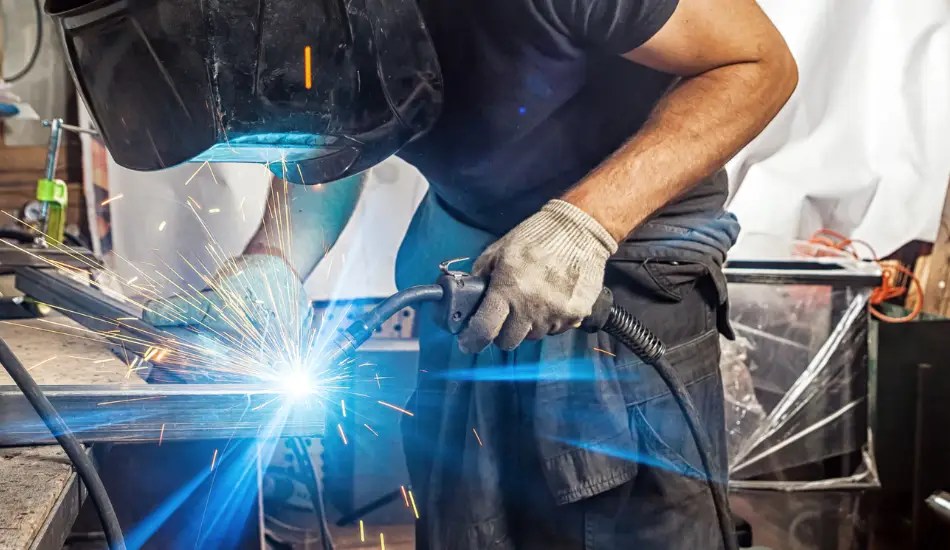
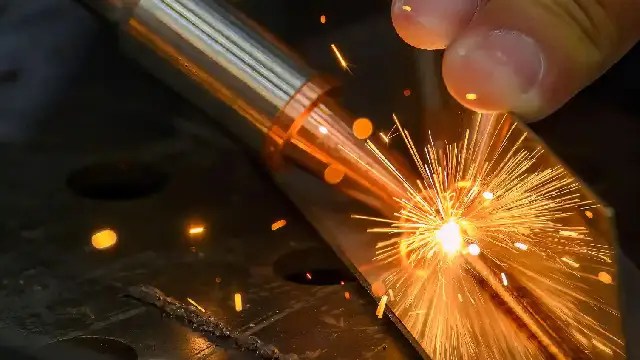
TIG welding uses a tungsten electrode, a shielding gas and a filler rod fed by hand to melt and join metal, with the operator controlling heat input through torch angle, travel speed and amperage in real time. Fiber laser welding focuses a concentrated beam of light through a handheld gun, melting a much smaller area of metal in a fraction of the time, often without filler wire for thin material and with a shielding gas assist for cleaner results on stainless and aluminum.
The practical difference on the shop floor: a TIG weld on 16-gauge stainless might take a skilled welder 30 to 45 seconds per foot with a steady hand and constant attention to puddle control. The same joint with a fiber laser welder often runs in under 10 seconds per foot, because the heat-affected zone is a fraction of the width and the operator does not need to manage a filler rod at the same time.
Which one leaves a better looking weld with less cleanup?
Fiber laser welding wins on cosmetics for thin to medium gauge sheet metal. The narrow heat-affected zone means less warping, less discoloration, and a bead that on many jobs needs no grinding or polishing before finishing. TIG welding, done well by an experienced welder, produces an excellent weld too, but on thin material it is easier to blow through or warp the piece, and cleanup typically means grinding, sanding or blending the bead by hand.
On thicker material, TIG has the edge. A fiber laser welder’s strength is speed and finish on gauge material common in enclosures, ductwork, sanitary equipment and light structural fabrication; it is not the right tool for heavy structural steel or thick-wall pipe, where TIG’s deeper penetration and filler control still matter.
How much does the learning curve differ between the two?
TIG welding takes months to years to master consistently, since the welder is simultaneously controlling torch angle, arc length, filler feed and travel speed by feel. A handheld fiber laser welder has a much shorter learning curve; a shop can typically get a new operator producing clean, consistent welds within days to a couple of weeks, because the machine handles most of the heat and timing control that TIG puts on the operator’s hands.
This matters directly for shop staffing. A fabrication shop that struggles to find or train experienced TIG welders can put a newer employee on a fiber laser welder and get production-ready welds faster, while still keeping its experienced TIG welders on the jobs that genuinely need that skill set.
What does each cost to run day to day?
| Factor | Fiber laser welding | TIG welding |
|---|---|---|
| Welding speed on thin/medium gauge | Significantly faster | Slower, operator-paced |
| Post-weld cleanup | Minimal to none on most jobs | Grinding/polishing typically needed |
| Learning curve | Days to weeks | Months to years for consistency |
| Best material range | Thin to medium gauge sheet metal | Thin gauge through thick structural material |
| Upfront equipment cost | Higher machine cost | Lower machine cost, higher labor cost over time |
| Consumables | Low; mainly nozzles and lenses | Tungsten, filler rod, gas |
Which jobs are a clear win for fiber laser welding?
Sheet metal enclosures, HVAC ductwork, sanitary stainless equipment, automotive body panels, and general fabrication in the 16- to 24-gauge range are where a handheld fiber laser welder consistently outperforms TIG on speed and finish. Shops running repetitive thin-gauge production work see the fastest payback, since the labor savings compound across every unit welded.
Which jobs still call for TIG?
Thick-wall structural steel, pressure vessel work, aerospace-grade joints with strict certification requirements, and repairs on heavily oxidized or contaminated material are still TIG territory. A shop that does a mix of heavy fabrication and light sheet metal work often keeps both processes rather than replacing one with the other.
“The shops that get the most value out of a fiber laser welder are the ones that stop trying to make it do everything TIG did,” said a Fab-Line Machinery equipment specialist who works with fabrication shops on process selection. “It is a speed and finish tool for gauge material. Once a shop puts it there and leaves the heavy structural work on TIG, the payback shows up fast.”
Frequently asked questions
Can one operator run both a fiber laser welder and a TIG setup?
Yes. Most fabricators who add a fiber laser welder keep their TIG equipment and staff for the jobs that need it, and cross-train operators on both rather than choosing one process exclusively.
Does fiber laser welding require a shielding gas like TIG?
Often yes, especially on stainless steel and aluminum, though the gas flow and setup are typically simpler than a full TIG shielding setup.
Is a fiber laser welder harder to maintain than a TIG welder?
It is different, not harder. A fiber laser welder needs periodic lens and nozzle checks and keeping the optics clean, while a TIG welder needs tungsten grinding and torch consumable replacement. Neither requires a technician visit for routine care.
Can a fiber laser welder replace TIG on stainless steel entirely?
For sheet and light-gauge stainless fabrication, often yes. For thick-wall stainless pipe or pressure-rated welds, TIG generally remains the better choice.
Fab-Line Machinery supplies handheld fiber laser welders to fabrication shops making this exact call between speed and familiarity. Browse the full fiber laser welder lineup, see current pricing, read the maintenance checklist to see day-to-day upkeep, or review the buyer’s guide to 2026 models before deciding which process fits your shop’s mix of work. Call (615) 333-7284 or request a free quote to talk through your specific material and volume with the team.