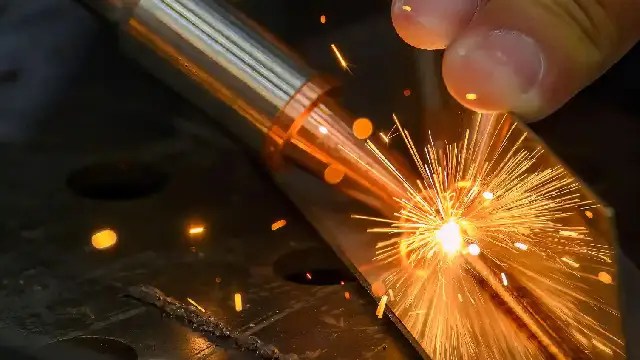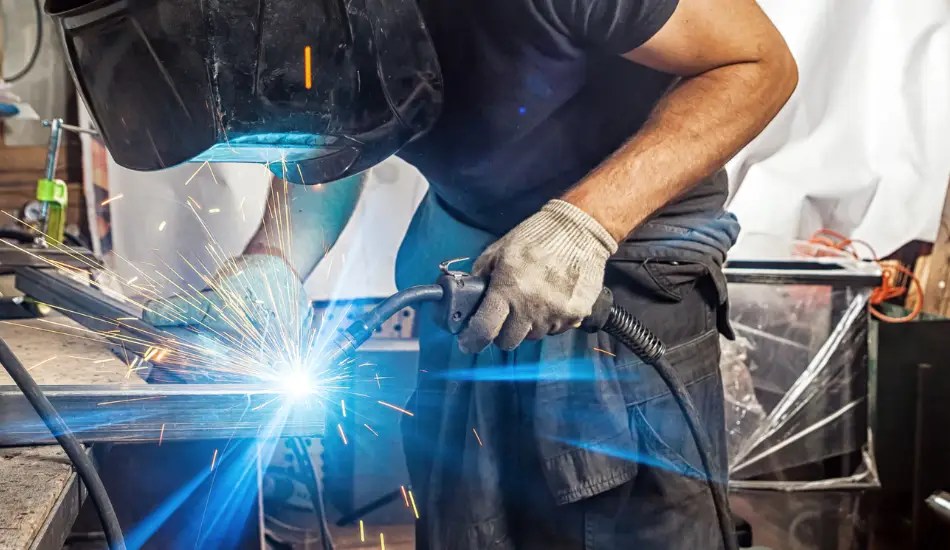

No, a fiber laser welder does not require a government-issued welding license the way pipeline or structural welding does. Most fabrication shops train operators internally or through a short manufacturer-led course, and the real requirement is operator competency on that specific machine and material, not a certificate on a wall.
Do You Need a Certification to Operate a Fiber Laser Welder?
No formal certification is legally required to run a handheld fiber laser welder in most U.S. states, unlike structural or pressure-vessel welding, which often falls under AWS (American Welding Society) codes and inspector sign-off. A shop can put a new hire on a fiber laser welder after supervised training, typically a few hours to a few days depending on the material and joint types involved. That said, some customers, particularly aerospace, automotive, and food-equipment buyers, will ask for proof of process qualification even when no law requires it.
What Training Do New Operators Actually Need?
New operators need hands-on time with the specific machine, not a general welding certificate. Handheld fiber laser welders behave differently from MIG or TIG: the learning curve is shorter for basic joints but still requires practice on travel speed, standoff distance, and reading the weld pool through the laser-safe lens. Most shops run new operators through:
- Laser safety orientation (Class 4 laser hazard awareness, eyewear, enclosure protocols)
- Supervised practice welds on scrap stock matching the customer’s material and thickness
- Settings training for the specific wattage and wire-feed configuration the shop owns
- Sign-off from a senior operator before running production parts
Is There an Industry-Recognized Laser Welding Certificate?
Yes, though it is optional rather than mandatory. Organizations including the Fabricators & Manufacturers Association and several technical colleges offer laser welding certificate courses that cover machine setup, parameter selection, and safety protocols across a multi-day format. These courses are worth the cost for shops that want a documented training record for customer audits or ISO-adjacent quality programs, not because any authority requires the paper to legally operate the machine.
When a Certificate Actually Matters
A documented certificate matters most when a customer’s purchasing or quality department requires proof of operator qualification as part of a supplier audit, which shows up more often in aerospace and medical device work than in general metal fabrication. For a typical job shop welding brackets, enclosures, or HVAC ductwork, internal training records are usually sufficient.
What Safety Requirements Come With Fiber Laser Welding?
Fiber laser welders use a Class 4 laser, which requires laser safety glasses rated for the specific wavelength, either an enclosure or a designated laser safety zone, and posted warning signage. OSHA does not have a laser-specific welding standard the way it does for arc welding fumes, but general workplace safety rules on eye protection, ventilation, and machine guarding still apply. Shops that skip proper laser eyewear are the most common safety failure point, not a lack of paperwork.
| Requirement | Legally Mandatory | Commonly Requested by Customers |
|---|---|---|
| Government welding license | No | Rarely |
| Internal training record | No | Often, for audits |
| Laser safety eyewear | Yes (workplace safety) | Always verified on-site |
| AWS or FMA certificate course | No | Sometimes, aerospace/medical buyers |
How Long Does It Take to Train a New Fiber Laser Welding Operator?
Most shops get a new operator to basic production competency in one to two weeks of supervised practice, faster than the months typically needed for solid MIG or TIG proficiency. According to fabricators who have made the switch, the shorter learning curve is one of the strongest arguments for adding a fiber laser welder to a shop that already struggles to find or train traditional welders. Complex joint geometry or thin-gauge work still takes longer to master regardless of process.
What Should a Shop Document Internally, Even Without a Formal Certificate?
A short internal record protects the shop and satisfies most customer questions without the cost of an outside course. That record should list who trained the operator, the date, which machine and settings were covered, and which materials and thicknesses the operator has been signed off on. Fiber Laser Welding, based in Brooklyn Park, Minnesota and serving fabrication shops nationwide, builds this kind of training log into the onboarding packet with every machine sale, since a documented process is what most audit-driven customers are actually asking for when they use the word “certified.”
Frequently Asked Questions
Can someone with no welding experience learn fiber laser welding?
Yes, more easily than traditional arc welding. The laser handles much of the heat control automatically, so a new operator can produce clean welds sooner, though understanding metal behavior and joint fit-up still benefits from basic fabrication background.
Does OSHA require specific training for laser welding?
OSHA does not have a laser-welding-specific training mandate, but general laser safety practices, including eyewear and exposure controls for the Class 4 laser in these machines, fall under existing workplace safety obligations.
Do fiber laser welder manufacturers offer training?
Many do, either bundled with the machine purchase or available as a paid add-on, and this manufacturer-led training is usually the fastest path to safe, productive operation for a shop new to the process.
How much does a laser welding certificate course cost?
Multi-day certificate courses through technical colleges or trade associations typically run a few hundred to low four figures per operator, depending on length and whether machine time is included. Most job shops find that in-house training paired with manufacturer support covers day-to-day needs, and reserve the paid course for operators who need documentation for a specific customer audit.
Comparing training and support before you buy? See the full product lineup and pricing, or request a free quote and ask about the operator training that comes with your machine. Call (615) 333-7284 with questions. For general Class 4 laser safety guidance, see the Laser Institute of America.